

 English
  русский
  Español
  عربى
عربى  中文简体
中文简体
 Новости отрасли
Главная / Новости и поделиться / Новости отрасли / Автомобильные и промышленные смазочные материалы: виды, различия и как выбрать
Автомобильные и промышленные смазочные материалы: виды, различия и как выбрать

Более 200 проверенных решений в области смазочных материалов
Контент
- 1 Автомобильные и промышленные смазочные материалы: где проходят границы
- 2 Автомобильные смазочные материалы: защита всего автомобиля
- 3 Промышленные смазочные материалы: жидкости, обеспечивающие работу предприятий
- 4 Почему спецификации важнее брендинга
- 5 Что следует проверить, прежде чем обращаться к поставщику смазочных материалов
Когда менеджер по техническому обслуживанию открывает график смазки и видит два продукта с одинаковым номером вязкости: один предназначен для автомобильных двигателей, а другой — для промышленных гидравлических систем, разницу легко недооценить. Также легко ошибиться. Моторное масло, которое безупречно работает в легковом автомобиле, может быстро выйти из строя внутри гидравлического насоса, работающего под высоким давлением в течение восьми часов в день, а индустриальное трансмиссионное масло для тяжелых условий эксплуатации может повредить синхронизаторы в механической коробке передач. Сама по себе вязкость никогда не определяет смазку. Тип базового масла, химический состав присадок и стандарты производительности, которым оно соответствует, определяют его место.
Вывод, на который стоит обратить внимание: автомобильные смазочные материалы разработаны для транспортных средств, которые ускоряются, тормозят, работают на холостом ходу и справляются с резкими перепадами температур. Промышленные смазочные материалы разработаны для оборудования, которое работает в течение длительных циклов работы при постоянной, часто тяжелой нагрузке, где стойкость к окислению и контроль отложений имеют большее значение, чем экономия топлива.
Автомобильные и промышленные смазочные материалы: где проходят границы
Эти два семейства разделяют четыре фактора, и каждый из них меняет приоритеты разработки готового продукта.
- Операционный профиль. Автомобильные двигатели сталкиваются с холодным запуском, короткими поездками, резкими скачками оборотов и пробками. Промышленное оборудование имеет тенденцию работать с более стабильной скоростью и нагрузкой, иногда в течение тысяч часов без остановки.
- Приоритет производительности. Автомобильное масло ориентировано на экономию топлива, совместимость с системами выбросов и прокачиваемость при низких температурах. Промышленная смазка обеспечивает защиту от экстремального давления, отделение воды и устойчивость к термическому разложению в течение длительных интервалов замены.
- Загрязнение окружающей среды. Двигатели транспортных средств поглощают пыль, топливо и побочные продукты сгорания. Промышленные системы сталкиваются с попаданием воды, металлических частиц износа и технологического мусора, которые необходимо суспендировать или отфильтровывать.
- Система спецификаций. Большинство автомобильных масел соответствуют классификациям API и ACEA. Большинство промышленных жидкостей соответствуют классам вязкости ISO, а также требованиям производителей оборудования.
| Размерность | Автомобильные смазочные материалы | Промышленные смазочные материалы |
|---|---|---|
| Основные приложения | Двигатель, трансмиссия, тормозная система, система охлаждения | Гидравлические системы, коробки передач, компрессоры |
| Рабочий цикл | Частые запуски и остановки, переменная частота вращения. | Непрерывная или циклическая тяжелая нагрузка |
| Ключевые приоритеты | Экономия топлива, совместимость по выбросам, надежность при холодном запуске. | Защита от износа, термостабильность, длительный срок службы. |
| Типичный интервал обслуживания | 5 000–30 000 км или 12 месяцев | 2000–8000 часов работы |
| Руководящие стандарты | API, ACEA, одобрения OEM | Классы вязкости ISO, DIN, спецификации OEM |
Автомобильные смазочные материалы: защита всего автомобиля
Автомобильные смазочные материалы охватывают все системы, приводящие в движение транспортное средство: двигатель, трансмиссию, тормоза, оси и систему охлаждения. Каждая категория имеет свою собственную лестницу спецификаций, и внутри каждой лестницы неправильный выбор имеет предсказуемую цену.
Моторные масла: лестница технических характеристик
Масла для бензиновых двигателей подразделяются по уровню производительности и совместимости по выбросам. Американская система переходит от SL через SN к более новым классам SQ. Европейская система ACEA отделяет высокозольные марки, такие как A3/B4, от низкозольных марок, таких как C3 и C5. Низкозольные сорта имеют большее значение, чем когда-либо, поскольку современные бензиновые и легкие дизельные двигатели, оснащенные сажевыми фильтрами, требуют пониженного содержания сульфатной золы, фосфора и серы для поддержания работы систем последующей обработки.
Хорошим примером является Полностью синтетическое моторное масло C3 5W-30 для европейских автомобилей. Обычно это рекомендация для европейских автомобилей с турбонаддувом, где производитель требует использовать масло со средним содержанием SAPS и низким содержанием золы. Заливка такого двигателя высокозольным маслом A3/B4 может со временем засорить сажевый фильтр. Старые двигатели без дополнительной обработки обычно могут работать на высокозольном масле без такого же риска, поэтому рынку по-прежнему нужны оба семейства.
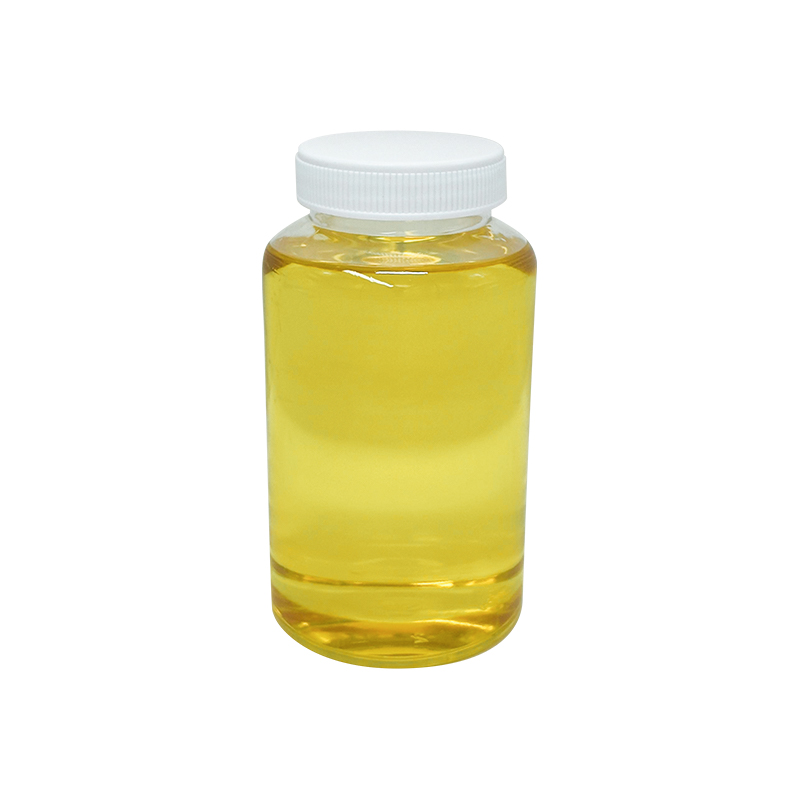 Моторное масло Custom C3 5W-30 для европейских поставщиков высокопроизводительных автомобилей, Fac Leanon Petroleum Technology Co., Ltd. - это китайское моторное масло C3 5W-30 для высокопроизводительных европейских транспортных средств, поставщики, заводы, выставки... Посмотреть продукт →
 Масла для дизельных двигателей следуют той же логике. Масла API CK-4 и CI-4 разработаны для современных тяжелых грузовиков с системами рециркуляции выхлопных газов и DPF, а марки CH-4 и CF-4 подходят для более старых двигателей и менее требовательных к выбросам окружающей среды. На втором месте стоит вязкость: масло 15W-40 CK-4 и масло 15W-40 CF-4 не взаимозаменяемы, хотя при рабочей температуре они текут одинаково.
Трансмиссионные жидкости, тормозные жидкости и охлаждающие жидкости
Трансмиссионные жидкости настроены на фрикционные характеристики сцепления или гидротрансформатора. Для автоматических коробок передач требуется масло ATF, соответствующее профилю фрикционной стойкости производителя; В вариаторах используется полностью синтетическая жидкость со специальной системой модификаторов трения; Для агрегатов с двойным сцеплением требуется жидкость, которая защищает как коробку передач, так и пакет сцепления. Тормозные жидкости соответствуют классам DOT — DOT3, DOT4 и DOT5.1, причем DOT5.1 предназначен для высокопроизводительной гидравлики. Изменились и охлаждающие жидкости: в автомобилях, работающих на топливе, используются органические малосиликатные составы, а электромобилям необходима охлаждающая жидкость с низкой проводимостью для защиты аккумулятора и силовой электроники.
Промышленные смазочные материалы: жидкости, обеспечивающие работу предприятий
Промышленные смазочные материалы менее заметны, чем моторное масло, но их выход из строя зачастую обходится дороже. Гидравлическая система, которая перестает работать, останавливает производственную линию. Отказ коробки передач может вывести из строя всю установку на несколько дней. Три категории охватывают большинство программ промышленных смазок.
Гидравлические масла
Гидравлическое масло выбирается сначала по классу вязкости ISO — VG 32, VG 46 или VG 68, а затем по его противоизносному и противопенному пакету. VG 32 подходит для прецизионных систем, таких как станки с ЧПУ, где быстрая реакция клапана и точное позиционирование зависят от более низкой вязкости. VG 46 — это марка общего назначения для большинства заводского оборудования. VG 68 и выше вязкости выдерживают более тяжелые нагрузки в сельскохозяйственном оборудовании и строительной технике, где та же жидкость может также использоваться в трансмиссиях.
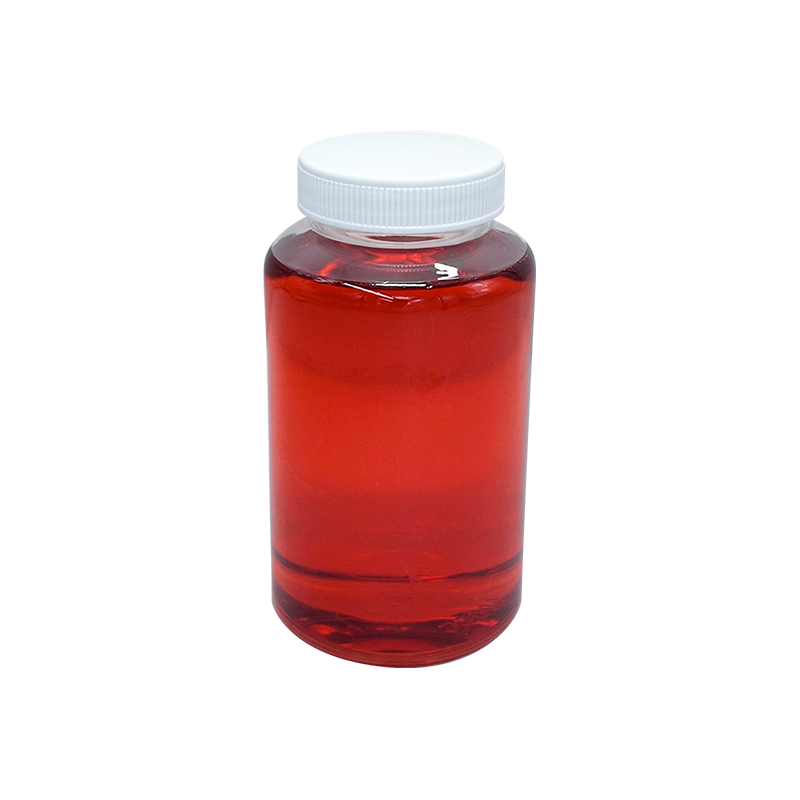
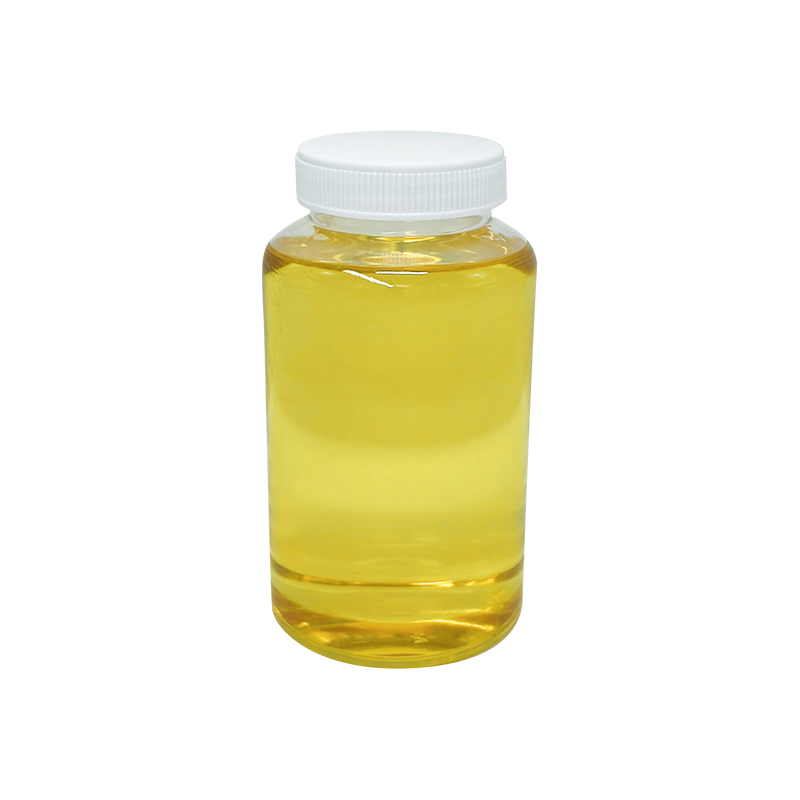
Ан Противоизносное гидравлическое масло высокого давления ISO VG 32 для станков с ЧПУ. иллюстрирует эту мысль: масло должно противостоять сдвигу, быстро высвобождать увлеченный воздух и защищать насос под высоким давлением, не оставляя отложений на сервоклапанах.
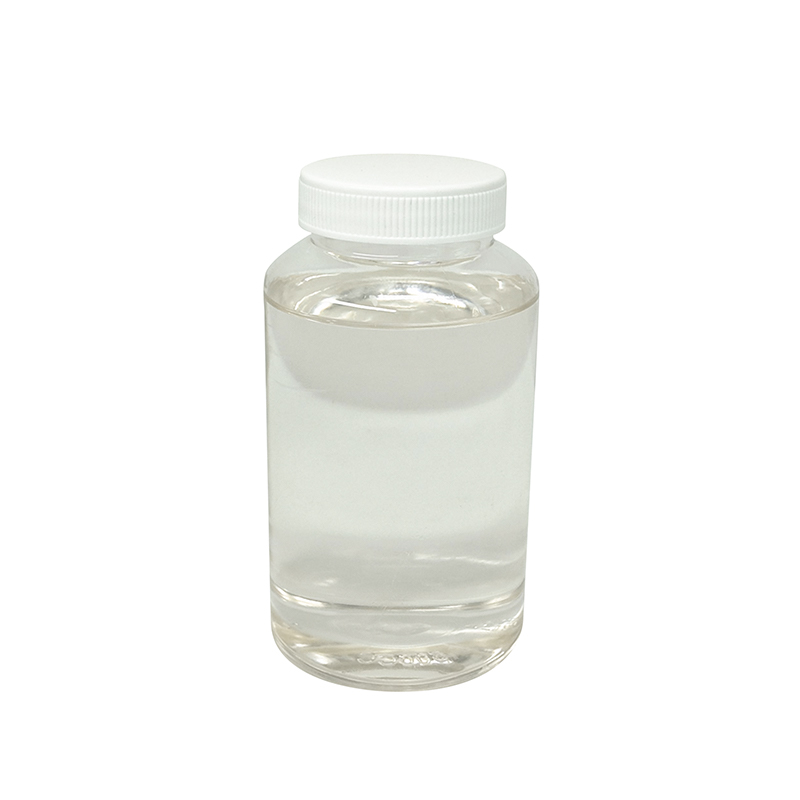 Изготовленное на заказ противоизносное гидравлическое масло высокого давления 32 # для поставщиков станков с ЧПУ, Fac Leanon Petroleum Technology Co., Ltd. - это китайское противоизносное гидравлическое масло высокого давления 32 # для станков с ЧПУ, завод, выставка... Посмотреть продукт →
 Коробочные и трансмиссионные масла
Промышленные трансмиссионные масла классифицируются по вязкости ISO и несущей способности. Серия L-CKD — 150, 220, 320 — охватывает цилиндрические, косозубые и конические редукторы средней и большой мощности. Марка 220 является рабочей лошадкой для многих приводов конвейеров, смесителей и редукторов мельниц. Выбор более низкого класса, чем указано производителем, приводит к граничной смазке и точечной коррозии; выбор более высокого класса вызывает сопротивление и более высокое энергопотребление. Продукт, подобный L-CKD 220 противозадирное трансмиссионное масло разработано для сохранения целостности масляной пленки при ударных нагрузках и устойчивости к окислению в течение увеличенных интервалов замены.
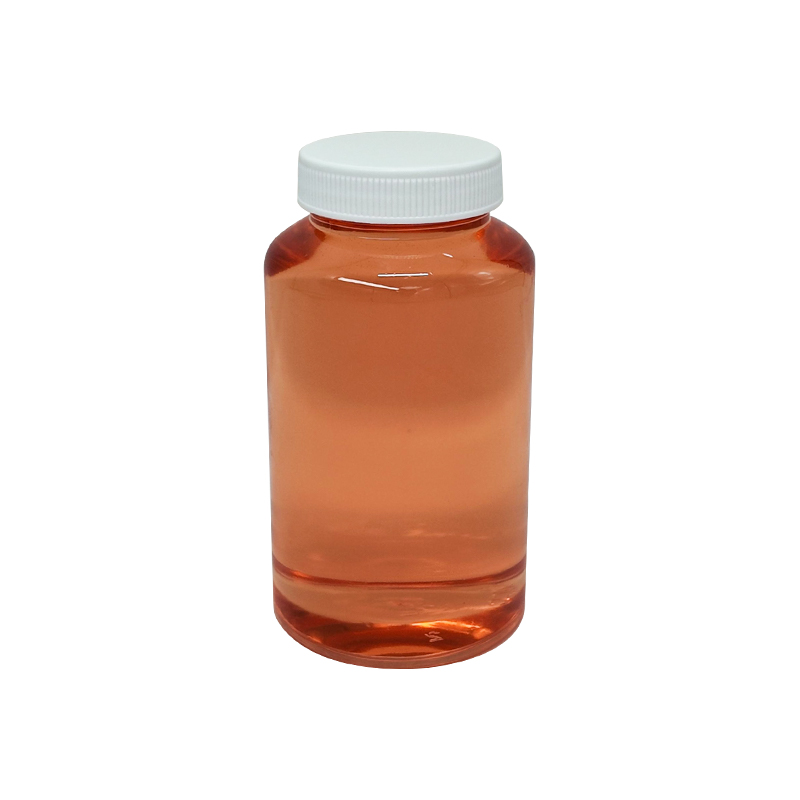 Специальное трансмиссионное масло L-CKD 220# для тяжелых условий эксплуатации, смазка для экстремального давления (EP) для грузовиков Leanon Petroleum Technology Co., Ltd. — китайское специальное трансмиссионное масло L-CKD 220# для тяжелых условий эксплуатации, смазка для экстремального давления (EP) для поддержки осей грузовых автомобилей. Посмотреть продукт →
 Компрессорные масла
Компрессорные масла делятся по типу компрессора. Поршневые и поршневые компрессоры обычно работают на минеральных маслах, таких как DAB 100 или DAB 150, выбранных из-за устойчивости к окислению и низкой склонности к образованию углерода в зоне выпускного клапана. Роторно-винтовые компрессоры нагреваются сильнее и требуют более надежной жидкости; синтетические масла DAH 32 и DAH 46 обеспечивают более длительный срок службы и лучшую стойкость к образованию лака.
Почему спецификации важнее брендинга
Самая распространенная ошибка смазки — замена продукта из-за совпадения вязкости. Вязкость — это только отправная точка. Использование масла с низким содержанием золы в современном дизельном двигателе с DPF – это не просто риск для производительности; это ошибка совместимости, которая может стоить тысячи долларов при ремонте системы последующей обработки. В промышленной сфере масло ISO VG 46 без соответствующего противоизносного пакета может быстро выйти из строя в лопастном насосе высокого давления, даже если оно имеет подходящую вязкость.
Практическое правило для любого покупателя: соответствовать как минимум классу API или ACEA для автомобильной продукции, соответствовать классу ISO плюс технологии присадок для промышленных продуктов, а когда в руководстве по оборудованию упоминается конкретное одобрение OEM, рассматривать его как обязательное. Это также первое, что необходимо проверить при оценке технической документации поставщика.
Что следует проверить, прежде чем обращаться к поставщику смазочных материалов
Покупка смазочных материалов в конечном итоге является решением цепочки поставок. Фабрика, стоящая за этикеткой, имеет такое же значение, как и формула внутри барабана. Три чека пробились сквозь маркетинговый шум.
- Системы качества. Ищите сертификаты, которые проверены, а не просто напечатаны. ISO 9001 охватывает систему менеджмента качества. IATF 16949 идет дальше и сигнализирует о том, что производитель работает в соответствии со стандартами автомобильной промышленности. Вертикально интегрированная производственная и научно-исследовательская база LEANON сертифицирована по стандартам ISO 9001, IATF 16949, ISO 14001 и ISO 45001, подкреплена инвестициями в размере 200 миллионов юаней и годовой мощностью 150 000 тонн.
- Возможность тестирования. Производитель, который тестирует свою собственную продукцию, может быстрее реагировать на проблемы с рецептурой и запросы клиентов. LEANON управляет специальной лабораторией CNAS для анализа смазочных материалов и контроля качества.
- Стабильность производства. Объем имеет значение, когда вы покупаете продукцию в больших объемах или планируете программу создания собственной торговой марки. Интеллектуальный завод LEANON производит полный спектр автомобильных и промышленных смазочных материалов на одном предприятии, сокращая сроки выполнения заказов и сохраняя контроль качества под одной крышей.
Для покупателей, которым нужен собственный бренд, применяются те же проверки с одним дополнением: подтвердите, что производитель может удовлетворить требования OEM/ODM, от выбора рецептуры и упаковки до документации и сертификатов соответствия.
Выбор между автомобильными и промышленными смазочными материалами – это не единовременное решение и не решение, принятое на веру. Это решение о производительности, решение о соответствии и решение о стоимости. Начните со спецификации, требуемой производителем оборудования, убедитесь, что поставщик может доставить его стабильно, и большая часть риска исчезнет еще до открытия первой бочки.
Сопутствующие товары



Категории продуктов
Автомобильные смазочные материалы Охлаждающая жидкость автомобильного двигателя Промышленное смазочное маслоКонтакт
 leanon2023@163.com
 + 86 - 4006663580
 Зона промышленной концентрации, город Синьцзянь, город Исин, город Уси, провинция Цзянсу, Китай
© Авторские права Leanon Petroleum Technology Co., Ltd. Все права защищены.
Оптовые производители смазочных материалов под собственной торговой маркой
